Concept ProjectConceptFictional brand

Startup restaurant / Multi-page brand site

Dazed Tomato Social Club

Pizza, noise, late nights.

A vivid restaurant concept with expressive typography, fast mobile menu browsing, event promotion, and a reservation path designed for spontaneous decisions.

Expressive brand website and mobile-first reservation flow

Design preview
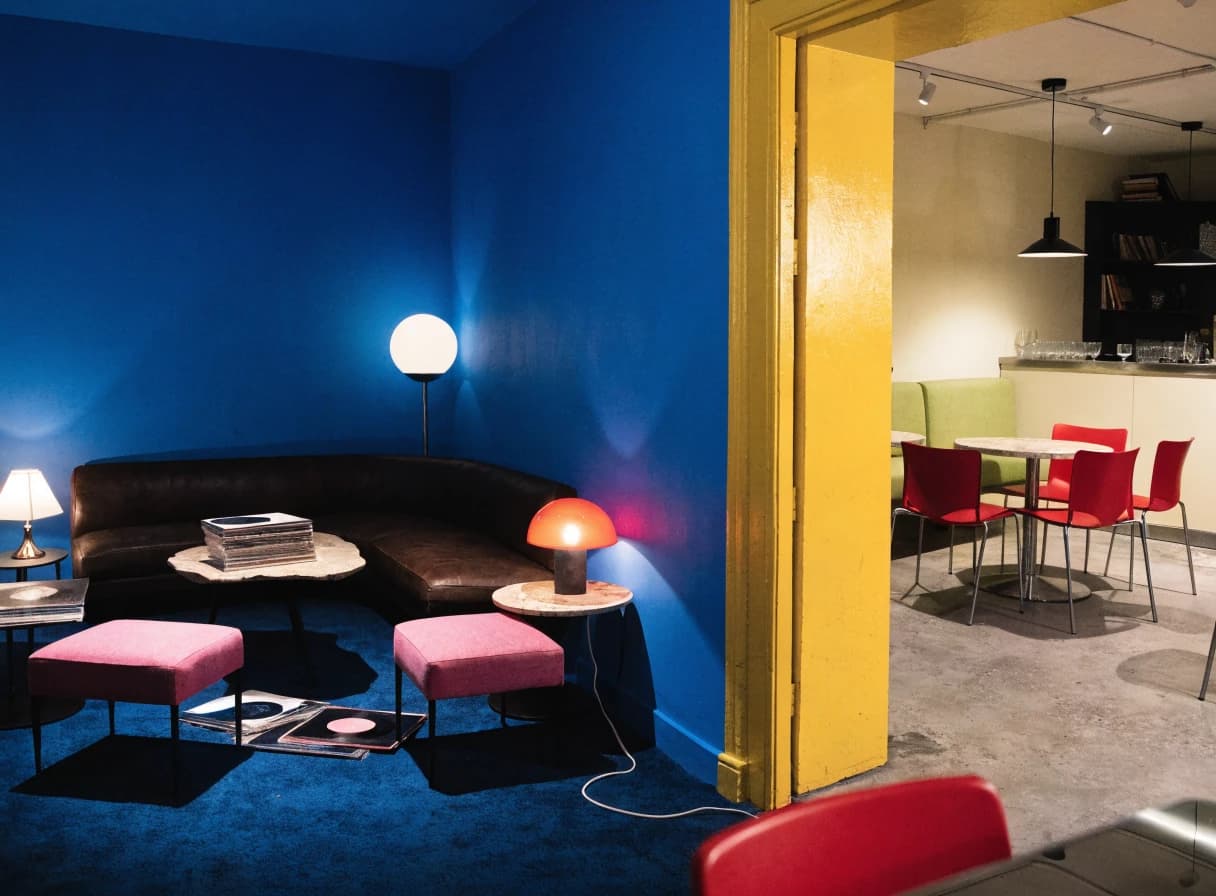
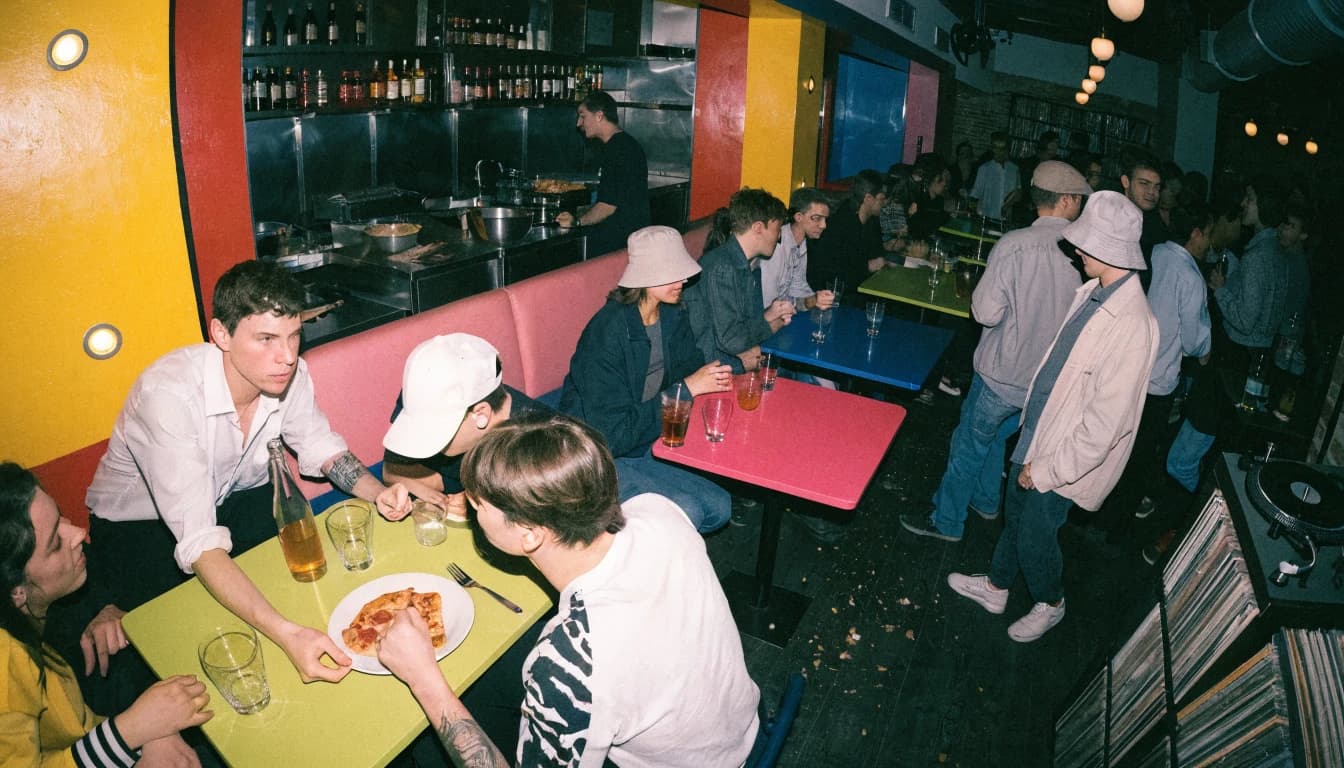
Lively colorful dining room for the fictional Dazed Tomato Social Club concept

Project overview

What this project is.

Dazed Tomato Social Club is a concept project for a young restaurant brand with a vivid personality. It demonstrates how a restaurant website can feel expressive and social while keeping menu, events, reservations, hours, and location easy to use.

The concept is intentionally more playful than the rest of the portfolio. It explores motion-friendly graphics, bold color, fast mobile browsing, and event-driven content without turning the site into a confusing poster.

Public accessInteractive public preview available

StatusConcept project with a public interactive preview. It is fictional and does not represent an active restaurant or booked reservations.
Problem or opportunity

Why this direction exists.

Startup restaurants often need to create memory quickly, especially when customers discover them through phones and social links. The opportunity is to make the brand feel alive while keeping the practical decisions fast.

Product strategy

The product decisions behind the interface.

Make personality useful

The visual system is loud, but the menu, reservation, location, and event actions remain clear.

Prioritize mobile decisions

Menu browsing, hours, and reservations are structured for people deciding where to eat on a phone.

Use events as repeat reasons

Pop-ups and social nights are treated as core content because they give customers reasons to revisit.

Core features

What the project demonstrates in practice.

Mobile menu filtering

Lets visitors scan food and drink categories quickly instead of reading a long static menu.

Event cards

Turns pop-ups, live nights, and limited releases into visible reasons to return.

Reservation demo flow

Shows how booking intent can be handled without pretending a real table was reserved.

Location and hours

Keeps the most practical visit details accessible despite the expressive brand direction.

User roles and permissions

Different users need different access.

Guest

Browses the menu, checks events, reviews hours, and opens the reservation interface.

Restaurant team

Would manage menu updates, event details, location information, and reservation links in a real implementation.

Workflow

The journey the system is designed around.

Step 01

Visitor lands from social or search

The first screen communicates the restaurant's energy and gives immediate paths to menu, events, and reservations.

Step 02

Menu and events shape the decision

Food categories and upcoming events help the visitor decide whether the restaurant fits the moment.

Step 03

Reservation intent stays demo-only

The preview shows the booking pattern but routes completion toward a design inquiry rather than a fake reservation.

Step 04

Location details close the loop

Hours, address context, and visit information prevent the brand from feeling all style and no utility.

Design decisions

How the experience is shaped.

Visual direction

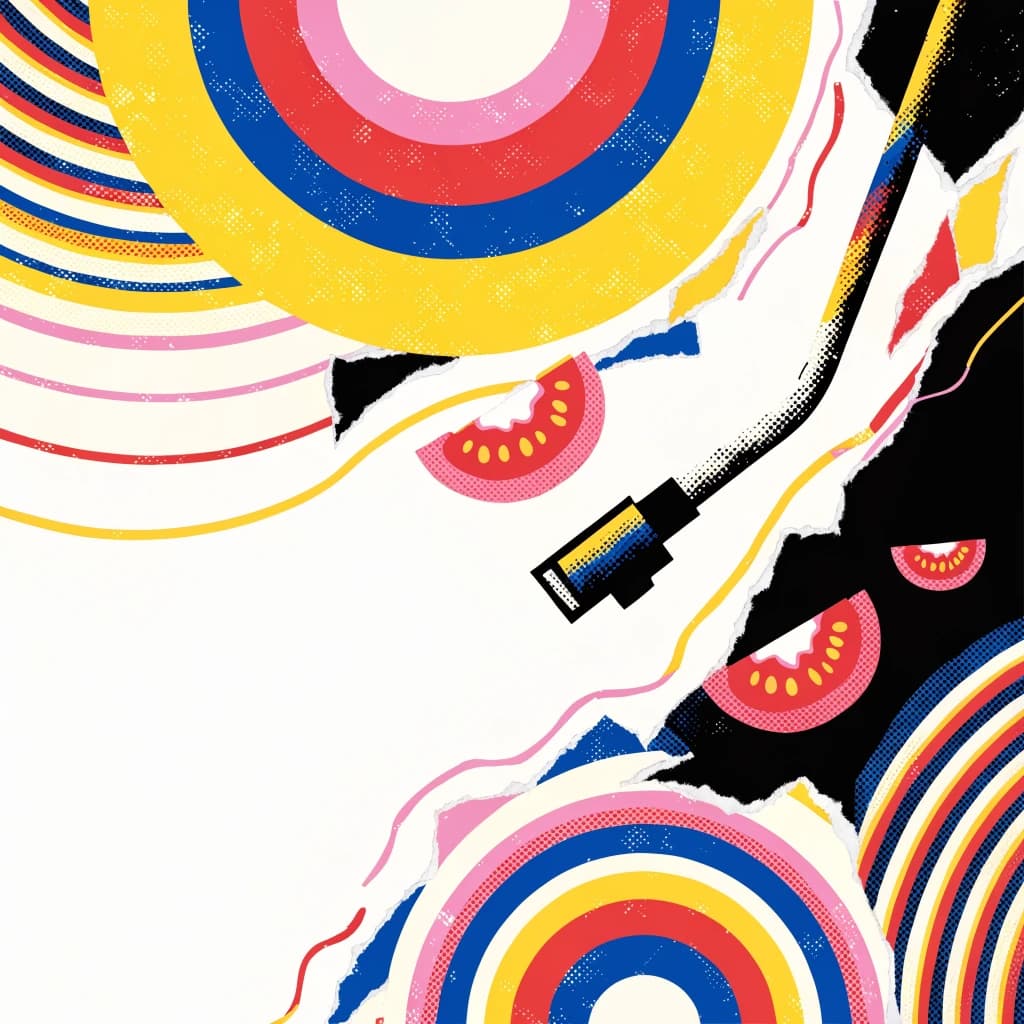
Acid lime, tomato red, warm cream, hand-drawn marks, and oversized type create a youthful identity that feels social, energetic, and intentionally unconventional.

Typography

Condensed poster headlines, handwritten accents, and a clean sans for menus, hours, and reservations.

Logo direction

A hand-drawn tomato mascot and wavy club wordmark behave like an original sticker system.

Image direction

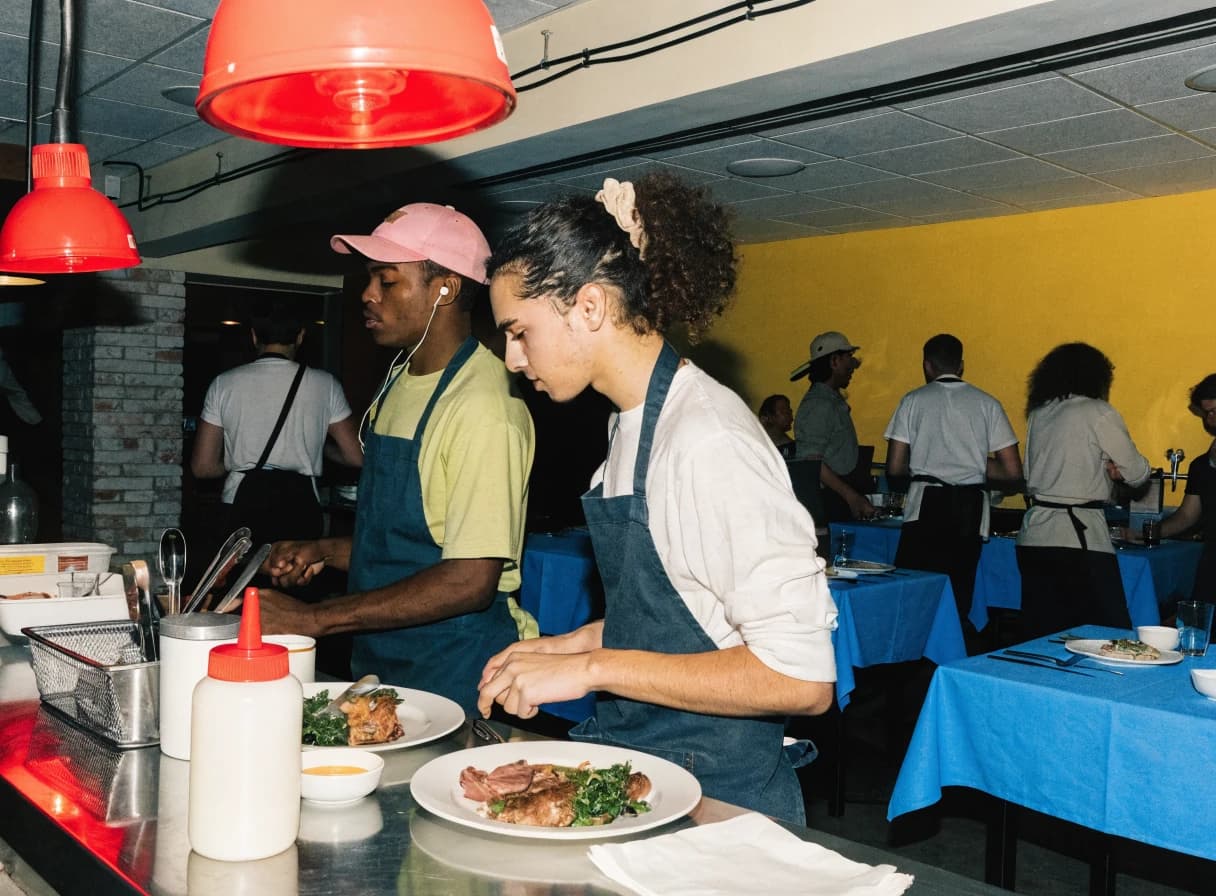
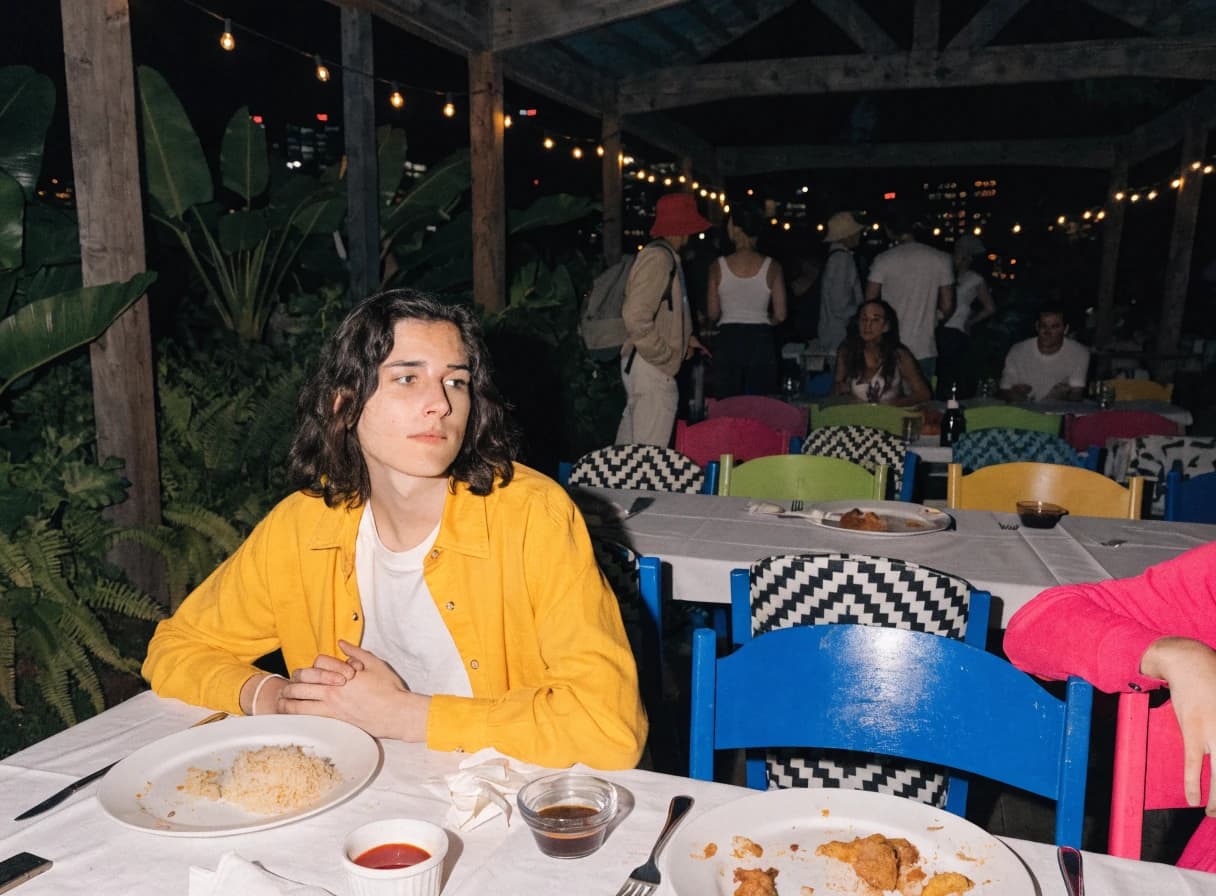
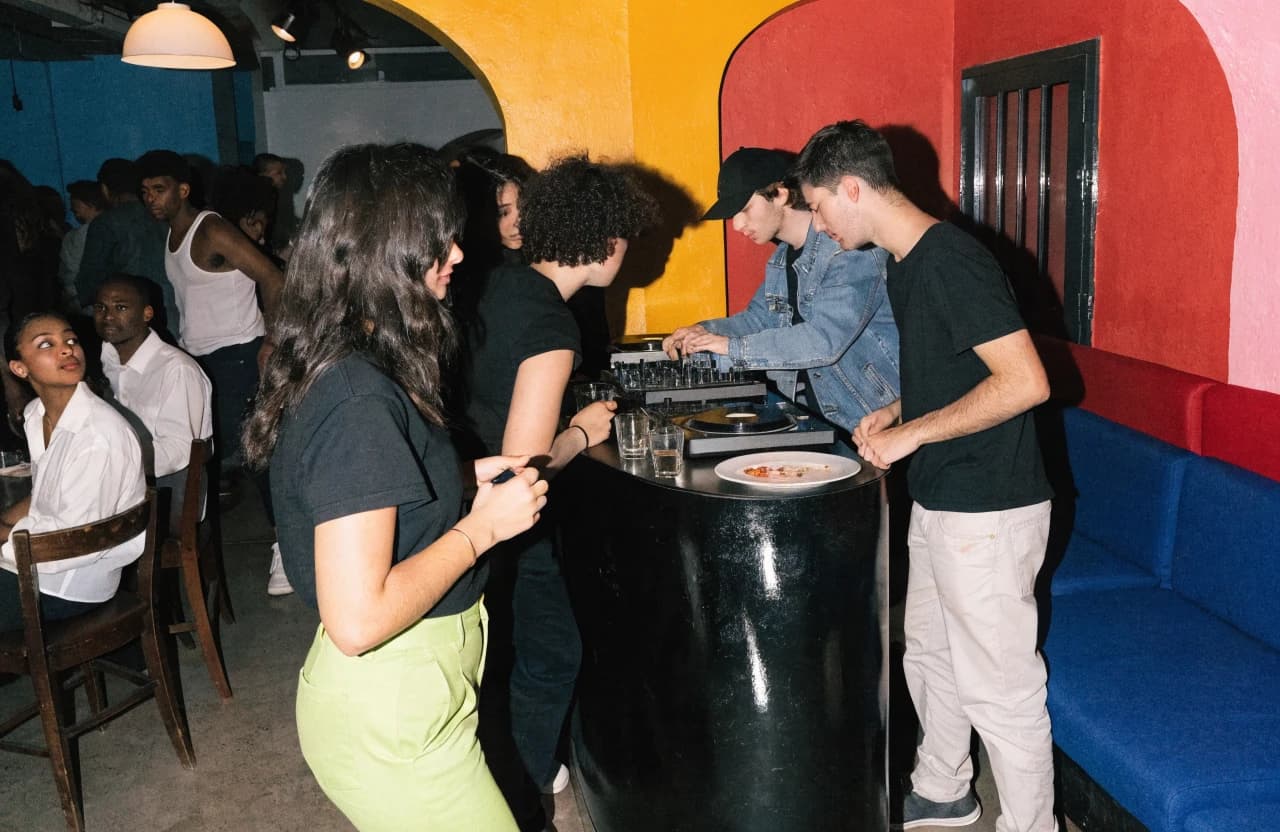
Flash-lit food, crowded tables, pizza boxes, event posters, and late-night social moments.

Motion

Staggered stickers, controlled wiggle, marquee information, and quick collage shifts.

Interface choices

Controlled chaos

Sticker-like graphics and loud colors create energy while the content grid keeps the page scannable.

Poster typography with utility labels

Expressive type handles brand moments, while small clean labels keep menu and reservation details readable.

Motion as brand texture

Microinteractions should feel social and quick, not slow or decorative.

Responsive preview

The idea survives every screen.

The composition changes with the device instead of shrinking a desktop page until the text becomes unreadable.

Responsive design study

Tonight's menu

Pizza · music · late nights

Dinner got
louder.

A neighborhood restaurant concept with a sharp menu, rotating events, and enough personality to be remembered after the tab closes.

Lively colorful restaurant dining room with a late-night crowdFictional restaurant

Choose your lane

House favorites

Food with a point of view.

Upcoming noise

The calendar is part of the menu.

Poster artwork for the fictional Vinyl After Dinner event

THU 18

Vinyl after dinner

Selectors from 9 PM · no cover in this fictional preview

Poster artwork for the fictional Small Plate Takeover event

FRI 26

Small plate takeover

One-night menu study · demo event

Poster artwork for the fictional Patio Poster Market event

SUN 04

Patio poster market

Local print and food concept · sample listing

Open when dinner should turn into something else.

THU · 5 PM–12 AM

FRI · 5 PM–1 AM

SAT · 3 PM–1 AM

SUN · 3 PM–10 PM

Tables up front. A social room after dark.

The gallery and schedule work together so people understand both the food and the atmosphere before choosing a night.

Atmosphere gallery

Not a beige dining room in sight.

Find the tomato.

123 FICTIONAL AVENUE
SAMPLE CITY, FL
LOCATION FOR DESIGN DEMO ONLY

Get the next event poster.

Demo signup only. No newsletter list is connected.

Key pages and screens

Every page has a job.

This is the strategic page system behind the visual direction, not a pile of decorative screens.

Screen 0101

Home

Introduces the food, personality, location, and next event.

Why it matters

The first screen must answer what the place feels like and why someone should visit tonight.

Screen 0202

Menu

Organizes food and drinks into scan-friendly mobile sections.

Why it matters

Most restaurant decisions happen on a phone, often while a group is deciding where to go.

Screen 0303

Events

Promotes guest chefs, live nights, and limited pop-ups.

Why it matters

Events create repeat reasons to visit and content worth sharing socially.

Screen 0404

Reservations

Keeps party size, date, and availability actions focused.

Why it matters

The path from interest to a table should never compete with decorative content.

Screen 0505

Gallery

Mixes dishes, people, and atmosphere in an editorial feed.

Why it matters

Restaurant choices are emotional; imagery makes the experience tangible.

Screen 0606

Location

Shows hours, map context, parking notes, and contact options.

Why it matters

Practical visit details prevent uncertainty at the moment someone is ready to go.

Technical architecture

Technology choices with a purpose.

Frontend

Conceptual
Next.jsReactResponsive marketing pages

The preview focuses on interface behavior and responsive layout patterns.

Interactive states

Conceptual
Menu filtersEvent browsingReservation demo state

Interactions are representative and do not connect to a live restaurant system.

Content operations

Planned
Menu itemsEventsHoursLocation

A production version would need a maintainable way for the restaurant to update time-sensitive content.

Challenges and solutions

The execution problems this work explores.

Expressive but usable

The design keeps practical information available while still showing how far a brand can push visual personality.

Mobile-first restaurant behavior

The structure recognizes that restaurant decisions often happen quickly from a phone.

Business goals solved

Build a recognizable local identity

Drive reservations

Promote events and pop-ups

Make menu browsing fast on mobile

What the project demonstrates

Modern restaurants compete through identity as much as food. The concept keeps the energy memorable without hiding the practical information visitors need to choose, reserve, and arrive.

Dazed Tomato Social Club is a fictional brand and design preview created by studiogecko.dev. It is not an operating restaurant or a client case study.

Current status and next steps

What is complete, private, or still planned.

Concept

Concept project with a public interactive preview. It is fictional and does not represent an active restaurant or booked reservations.
Interactive public preview available

Next steps

Replace fictional menu and events with real restaurant content

Connect reservations to a verified booking platform if one exists

Create update workflows for hours, menu changes, and events

Keep exploring

Related projects