Custom website design for service businesses
Custom website design that makes the next decision easier.
studiogecko.dev designs responsive business websites that explain the offer clearly, establish credibility, and guide the right visitors toward a call, booking, purchase, or quote request.
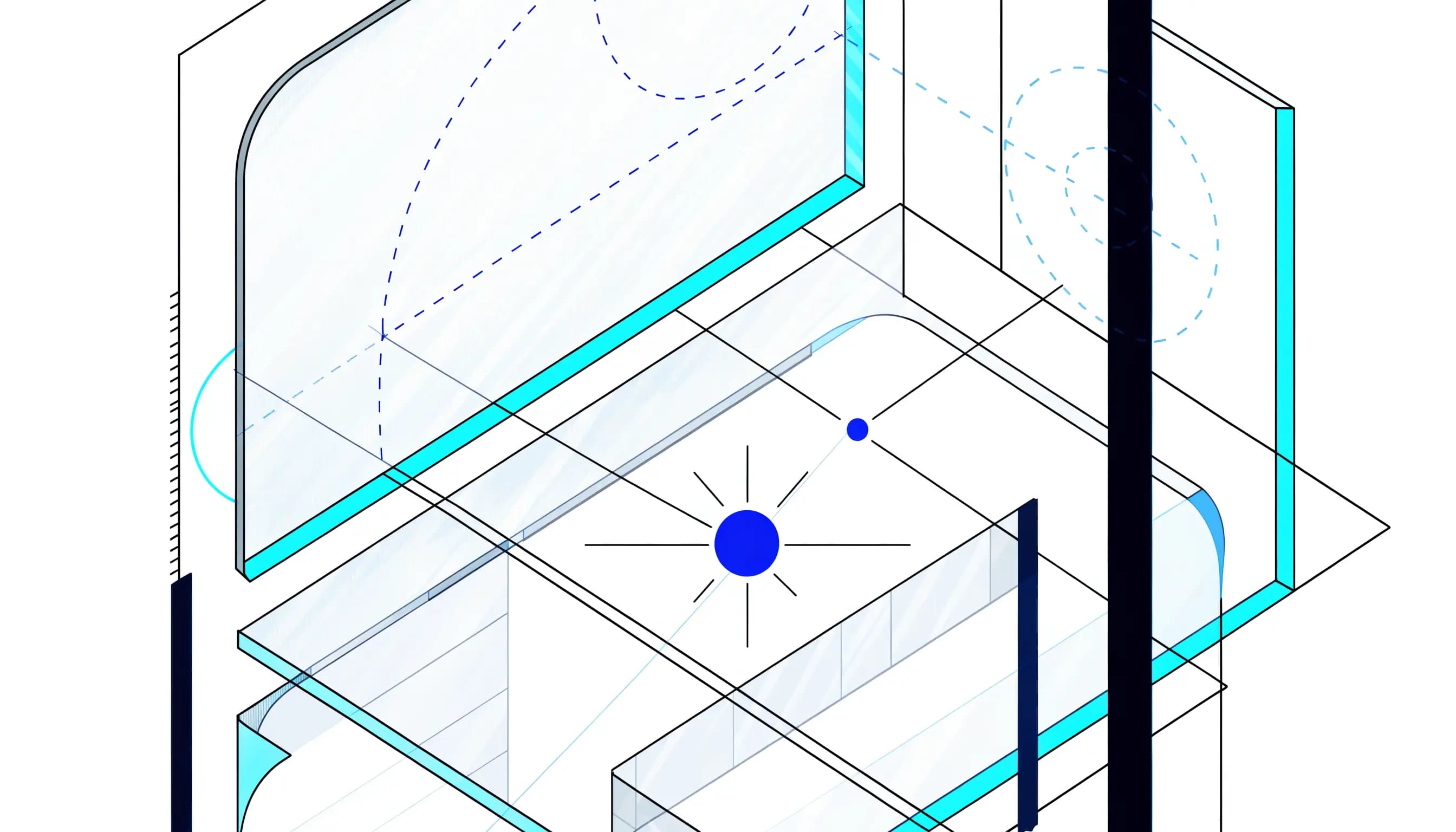
Content, trust, navigation, and conversion paths designed as one connected system.
Service overview
What custom websites should do for the business.
Custom website design starts with the decisions a customer needs to make. Before choosing colors or layouts, we identify the services people are comparing, the questions that delay action, the proof they need, and the next step the business can support. That strategy becomes the page structure, content hierarchy, navigation, and conversion path.
The result is not a decorative brochure or a generic theme with a new logo. It is a maintainable website built around real business goals: communicating value, earning trust on mobile, supporting search visibility, collecting useful inquiries, and giving the company room to add services, locations, campaigns, or client tools later.
Problems solved
The current site looks dated or does not match the quality of the business.
Visitors cannot quickly understand the services, differences, proof, or next step.
The mobile experience makes it harder to call, book, buy, or request a quote.
Important pages compete with each other instead of forming a clear customer journey.
The website is difficult to update, measure, or expand without starting over.
What is included
Discovery and customer-journey planning
Homepage, service-page, and conversion-path architecture
Original responsive design for mobile, tablet, and desktop
Conversion-focused calls to action, forms, and trust sections
SEO-ready headings, metadata, internal links, and content structure
Performance, accessibility, and cross-browser quality checks
Analytics, domain, hosting, and launch configuration guidance
Documentation and an agreed path for future updates or maintenance
Expected outcomes
A stronger first impression for customers deciding whether to trust the business.
Clearer service pages and more intentional quote, call, booking, or purchase paths.
A responsive website that remains usable across common device sizes.
A search-friendly content foundation that can support future SEO work.
A maintainable system that can grow into campaigns, automation, or private tools.
Process
A cleaner path from idea to launch.
Step 1
Audit the current impression
We review the existing website, competitors, search intent, mobile experience, trust signals, page speed, content gaps, and conversion paths. The goal is to identify what should be preserved and what is actively making the business harder to understand or trust.
Step 2
Map the customer journey
We organize the site around the questions customers ask before contacting the business. Services, proof, FAQs, locations, calls to action, and forms receive a clear place in the journey instead of competing for attention.
Step 3
Design the responsive system
The visual direction and reusable components are designed together so the website feels distinctive without becoming difficult to use. Mobile behavior, content density, accessibility, and future page growth are considered from the start.
Step 4
Develop and verify
The approved direction is developed with semantic HTML, responsive behavior, performance-minded assets, metadata, forms, analytics hooks, and cross-browser testing. Quality assurance covers real content and realistic device widths.
Step 5
Launch with a support path
We coordinate the production release, domain and hosting details, analytics checks, redirects when needed, and the final handoff. Ongoing maintenance can be scoped separately so updates do not become an afterthought.
How we think about the work
Decisions that keep the service useful after launch.
Strategy before decoration
A premium appearance matters, but visual polish only works when the page answers the visitor's real questions. We connect brand direction to positioning, content order, proof, objections, and the next action the business wants customers to take.
Responsive by composition, not compression
Mobile design is not the desktop page made smaller. Navigation, copy length, form behavior, touch targets, imagery, and conversion actions are adjusted so customers can make decisions quickly from a phone without losing meaningful information.
Built to change without losing coherence
Reusable components and a documented content system make it easier to add services, locations, campaigns, FAQs, or proof later. The goal is a website the business can improve, not a fragile launch artifact that becomes expensive to touch.
Technology with a job
Tools chosen for maintainability, security, and the workflow.
The stack is selected around the project rather than used as a sales checklist. These are technologies already present in the studiogecko.dev platform and the practical customer benefit each can provide.
Next.js
Supports fast server-rendered pages, reliable routing, metadata, image optimization, and a strong technical foundation for public business websites.
React
Makes reusable interactive components possible without rebuilding the same patterns across every page.
TypeScript
Adds clearer contracts and earlier error detection, which makes future maintenance and feature work safer.
Tailwind CSS
Keeps responsive spacing, typography, states, and design tokens consistent across the complete website.
Supabase
Can provide secure authentication, structured data, forms, storage, and future portal features when the project needs them.
DigitalOcean and GitHub
Support a documented deployment workflow, version history, and repeatable production releases.
An informed comparison
Custom website or template website?
Both approaches can publish a site. The right choice depends on how much the business needs the website to reflect a specific offer, customer journey, and operating process.
Template website
A template can be appropriate for a simple launch with limited content and a standard structure. It is usually faster to assemble, but the business must adapt its message and workflows to the available layout and plugin system.
Custom website
A custom build starts with the business, its customers, and the actions the site must support. It provides more control over content hierarchy, conversion paths, performance, integrations, accessibility, and future expansion.
If the website only needs to confirm that the business exists, a carefully configured template may be enough. If it must differentiate complex services, support campaigns, organize leads, or grow into business software, custom design is usually the more durable choice.
Industry applications
The same service solves different operational problems.
Contractors and home services
Service-area pages, project galleries, financing information, trust signals, and quote forms help customers evaluate high-consideration work.
Professional services
Clear expertise, service boundaries, consultation paths, and careful content hierarchy help visitors understand the next appropriate step.
Law firms
Practice-area clarity, attorney positioning, responsible consultation intake, and local context help prospective clients evaluate fit.
Healthcare practices
Readable services, provider and location information, accessible presentation, and safer public inquiry paths reduce avoidable confusion.
Restaurants and hospitality
Mobile-first menus, reservations, events, hours, location details, and visual brand personality support fast local decisions.
Automotive businesses
Inventory pathways, financing or trade-in actions, service offers, and organized lead capture reduce friction in a mobile-first shopping journey.
Startups and SaaS products
Product storytelling, launch pages, onboarding context, and continuity with the actual workflow help a new product feel credible and understandable.
Related concept work
See the system in context.

Fictional brand
Solara Poolworks
A premium pool-construction concept that turns dramatic project imagery, financing clarity, and a focused quote path into homeowner confidence.

Fictional brand
Dazed Tomato Social Club
A vivid restaurant concept with expressive typography, fast mobile menu browsing, event promotion, and a reservation path designed for spontaneous decisions.
Questions before you start?
How much does a custom website cost?
Pricing depends on page count, content needs, integrations, forms, custom functionality, and the condition of the existing site. After discovery, studiogecko.dev provides a written scope so deliverables and boundaries are clear before work begins.
How long does a custom website take?
A focused service-business website can move faster than a large content site or application. Timing depends on scope, content readiness, approvals, integrations, and migration needs. The proposal identifies the expected sequence without promising an artificial launch date.
Can you redesign an existing website?
Yes. A redesign begins by identifying what should remain, what is hurting trust or usability, and whether the current platform can support the new direction. Rebuilding is recommended only when it is the more maintainable choice.
Will the website be custom or based on a template?
The strategy, hierarchy, visual direction, components, and responsive behavior are designed around the project. Existing libraries may support accessible primitives or technical infrastructure, but the public experience is not a generic theme with substituted colors.
Will I own the website and content?
Ownership, source access, licensed assets, third-party services, and hosting responsibilities are documented in the proposal. studiogecko.dev does not hide those details behind vague technical language.
Do you write the website copy?
Copy support can include page structure, positioning, service explanations, calls to action, FAQs, and editing existing material. The exact level of research and writing is agreed during scoping.
Is SEO included?
The build can include an SEO-ready technical and semantic foundation: headings, metadata, internal links, crawlable navigation, mobile usability, performance, and content structure. Ongoing rankings, traffic, and lead volume cannot be guaranteed.
Will the site be accessible?
Accessibility is considered through semantic markup, keyboard use, focus states, contrast, labels, reduced motion, and responsive behavior. A project can improve accessibility substantially, but it should not be represented as a complete legal-compliance certification.
Can I update the website after launch?
Yes. The update model depends on the project: structured content tools, a private editor, source-managed changes, or a maintenance workflow may be appropriate. We choose the simplest system that supports the people who will actually use it.
Do you provide hosting and domain setup?
studiogecko.dev can provide hosting and domain guidance, deployment configuration, DNS coordination, and launch checks. Ownership and recurring provider costs remain transparent.
Can the website connect to forms, payments, or a portal?
Yes. Projects can support lead forms, Resend email delivery, Stripe payments, Supabase-backed data, authentication, and client portal workflows when those features are included in scope.
What happens after launch?
The launch is followed by production verification, documentation, and an agreed support path. Maintenance, analytics review, new content, conversion improvements, and automation can be added based on real priorities rather than assumptions.
A practical next step
Discuss whether custom websites is the right fit.
Start with a free website audit or send the project context directly. You will receive a practical response without an automatic client relationship or unsupported outcome promises.