
Strategic website redesign
Website redesigns that preserve what works.
studiogecko.dev audits existing websites before redesigning them, protecting useful content and search equity while improving structure, conversion paths, performance, accessibility, and maintainability.
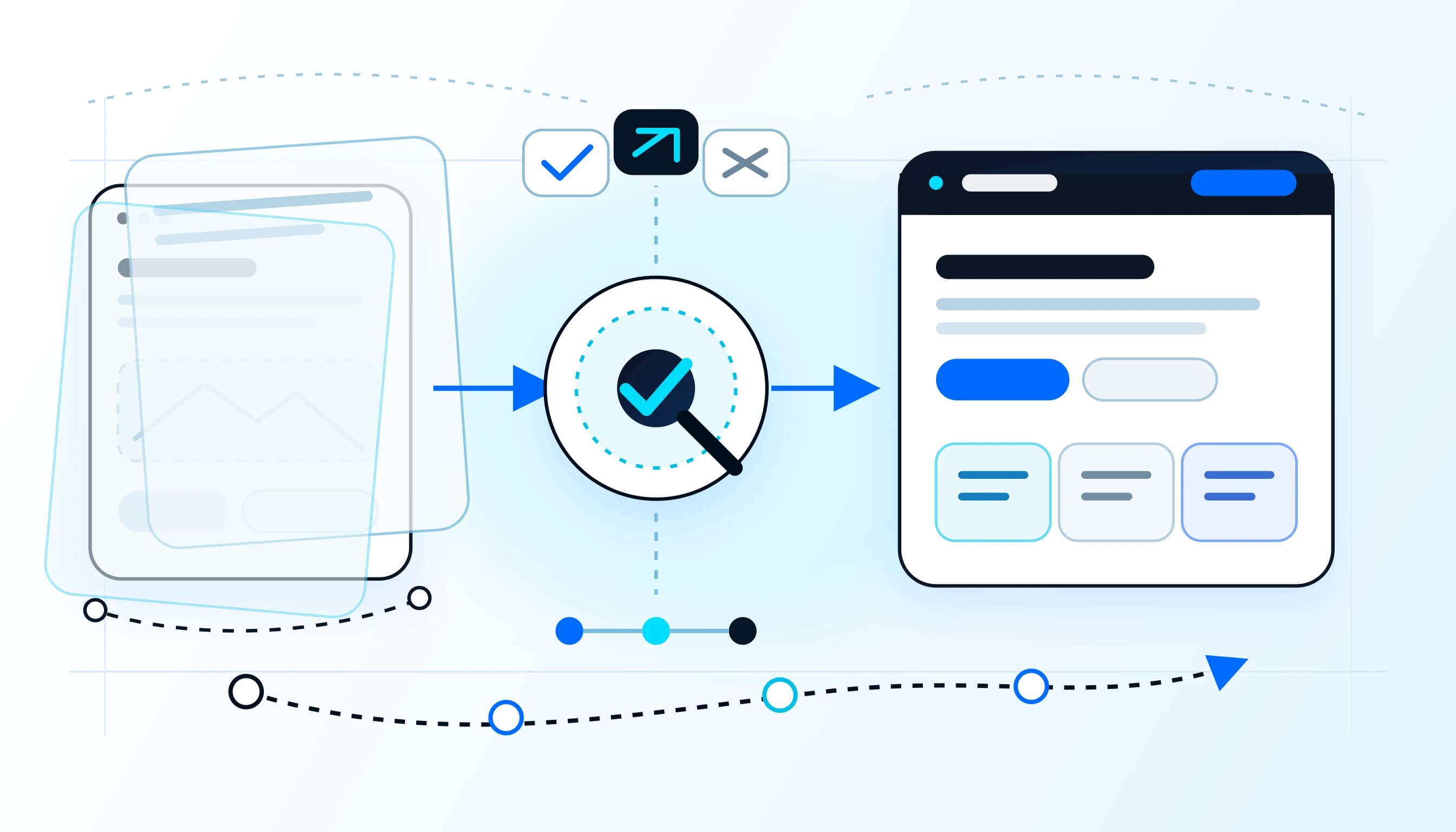
Audit what exists, preserve useful equity, rebuild what creates friction, and verify the migration before launch.
Service overview
What website redesign should do for the business.
A website redesign should begin with evidence, not a blank canvas. We review the current pages, search visibility, analytics, content, navigation, forms, platform, integrations, and maintenance burden to understand what is working and what is creating friction.
That review determines whether the right answer is focused maintenance, a strategic redesign, or a controlled rebuild. Valuable URLs, content, brand recognition, and customer pathways can remain. Weak hierarchy, dated visuals, poor mobile behavior, technical debt, and confusing conversion paths can be reworked without treating the existing site as worthless.
Problems solved
The visual system feels dated or inconsistent with the current brand.
Navigation and page hierarchy make important services difficult to find or understand.
Mobile performance, accessibility, forms, or conversion paths create avoidable friction.
Content is outdated, duplicated, difficult to manage, or trapped in a limiting platform.
Analytics, metadata, canonicals, structured data, or internal links have become unreliable.
A migration could remove ranking pages, change URLs, or break search and campaign continuity.
What is included
Existing-site audit covering content, UX, conversion, performance, accessibility, SEO, analytics, and platform constraints
URL and content inventory identifying what to preserve, consolidate, rework, redirect, or remove
Revised information architecture, navigation, page hierarchy, and conversion paths
Responsive visual system and reusable components aligned with the current brand direction
Platform recommendation based on editing, performance, integration, ownership, and maintenance needs
Redirect, canonical, metadata, structured-data, sitemap, and internal-link migration plan
Form, analytics, conversion-event, accessibility, performance, and cross-device validation
Launch checklist, production verification, and post-launch monitoring priorities
Expected outcomes
A website that better reflects the current business without discarding useful existing equity.
Clearer navigation, service hierarchy, calls to action, and inquiry paths.
A documented migration plan that reduces avoidable SEO and analytics disruption.
Improved mobile usability, accessibility, performance, and content maintainability.
A platform and support model chosen for real constraints rather than novelty.
Process
A cleaner path from idea to launch.
Step 1
Audit the current website
We review representative pages, navigation, content, mobile behavior, forms, performance, accessibility, metadata, analytics, integrations, platform constraints, and current search visibility before recommending a direction.
Step 2
Identify what deserves to remain
Useful URLs, search demand, content depth, brand elements, customer pathways, integrations, and operational knowledge are documented so the redesign does not erase value by default.
Step 3
Plan the new structure and conversion paths
We map services, audience questions, navigation, page relationships, calls to action, forms, and inquiry qualification around the decisions visitors need to make.
Step 4
Choose redesign, migration, or rebuild scope
The existing platform stays when it can support the required experience responsibly. Migration or rebuilding is recommended only when technical, editing, performance, integration, or maintenance limits justify the additional risk.
Step 5
Design and implement the improved system
Page hierarchy, reusable components, responsive behavior, accessibility, content structure, and conversion paths are developed together rather than applied as a cosmetic reskin.
Step 6
Protect migration and measurement continuity
Existing URLs are mapped, redirects are planned, relevant metadata and internal links are preserved, and forms, analytics, consent, and conversion events are checked before launch.
Step 7
Launch, verify, and monitor
The production site is checked across devices and critical paths. Search Console, analytics, redirects, indexing signals, forms, performance, and errors are reviewed after launch so avoidable problems can be addressed quickly.
How we think about the work
Decisions that keep the service useful after launch.
Preserve search equity deliberately
Redesign risk often comes from changed URLs, deleted content, missing redirects, lost metadata, altered canonicals, removed structured data, and broken internal links. We inventory the current site, identify pages worth preserving, plan redirects, retain relevant content depth and metadata, verify sitemap and canonical behavior, and revalidate the release. Ranking stability cannot be guaranteed, but avoidable migration loss can be reduced through careful planning.
Improve conversion without reducing the site to buttons
A stronger redesign clarifies services, trust, page hierarchy, next steps, and form questions. Mobile visitors should reach the right service and CTA without dead ends, while inquiry forms collect enough context to support useful follow-up without creating unnecessary friction.
Change platforms only when the constraint is real
A healthy platform can remain if it supports content editing, performance, integrations, accessibility, deployment, and maintenance. Migration is justified when the current foundation creates persistent technical debt, blocks important workflows, or makes normal ownership unnecessarily difficult.
Technology with a job
Tools chosen for maintainability, security, and the workflow.
The stack is selected around the project rather than used as a sales checklist. These are technologies already present in the studiogecko.dev platform and the practical customer benefit each can provide.
URL and content inventory
Creates a reviewable map of existing pages, search intent, metadata, internal links, and content decisions before routes change.
Redirect and migration map
Connects retired URLs to the most relevant destinations and gives launch QA a concrete contract to verify.
Search Console and analytics
Provide baseline and post-launch observations for indexing, search visibility, landing pages, conversions, and measurement continuity without promising outcomes.
Performance and accessibility testing
Identifies mobile, loading, semantic, keyboard, contrast, and interaction problems that visual review alone may miss.
CMS and platform assessment
Compares editing, integrations, hosting, deployment, scalability, and maintenance burden before recommending a migration.
Automated route and SEO checks
Help catch broken links, missing metadata, incorrect canonicals, sitemap gaps, and build failures before release.
An informed comparison
Maintain, redesign, or rebuild?
The right choice depends on the health of the current foundation and the size of the business change, not on how old the website looks.
Maintain
Keep the current foundation when structure, platform, mobile behavior, and conversion paths are healthy and the site mainly needs accurate content, routine improvements, or technical upkeep.
Redesign
Redesign when valuable content, URLs, or platform capabilities can remain, but messaging, hierarchy, navigation, visual consistency, accessibility, and lead paths need substantial improvement.
Rebuild
Rebuild when technical debt, performance, platform limits, fragile code, inaccessible architecture, or migration needs make incremental repair less responsible than a controlled new foundation.
Start with a free website audit to understand the current condition. Maintenance may be enough, a redesign may preserve much of the foundation, or a rebuild may reduce long-term risk. The recommendation should follow evidence rather than a preference for new technology.
Industry applications
The same service solves different operational problems.
Automotive dealerships
A redesign can preserve useful inventory, campaign, service, and location pages while improving mobile discovery, department pathways, lead routing, and migration planning.
Home services
Established contractors can retain valuable service-area content and project proof while improving quote paths, mobile trust, performance, and ongoing content management.
Professional services
Firms can preserve expertise and resource content while clarifying positioning, consultation paths, navigation, accessibility, and client workflow opportunities.
Law firms
Practice-area URLs, attorney content, local relevance, and consultation pathways need careful preservation when the public experience and intake structure are redesigned.
Healthcare practices
Provider, service, location, and public-information pages can be reorganized while protecting accessibility, approved inquiry boundaries, and frequently changing content.
Questions before you start?
How do I know if my website needs a redesign?
A redesign may be appropriate when the current site no longer explains the business clearly, performs poorly on mobile, creates accessibility or content-management problems, produces weak inquiries, or cannot support the next stage of the company. An audit helps separate cosmetic frustration from structural issues.
Should I redesign or completely rebuild my website?
Redesign when useful structure, content, URLs, or platform capabilities can remain. Rebuild when technical debt, performance, accessibility, platform limits, or fragile code make major improvements difficult to implement and maintain responsibly.
Will a website redesign hurt my SEO?
Any substantial change can affect search performance. Careful URL inventory, content review, redirect planning, metadata preservation, internal-link mapping, sitemap checks, and post-launch validation reduce avoidable risk, but rankings and traffic cannot be guaranteed.
Can you redesign a website without changing the domain?
Yes. A redesign commonly keeps the existing domain. Domain ownership, DNS, hosting, email records, certificates, and launch timing are reviewed so the website can change without treating unrelated business services casually.
Do I need to change website platforms?
Not necessarily. The current platform should remain when it supports the required design, editing, performance, accessibility, integrations, deployment, and maintenance. Migration is recommended only when real constraints justify its additional cost and risk.
Can you preserve existing pages and content?
Yes. Existing pages are reviewed for search value, accuracy, usefulness, duplication, and fit with the new structure. Valuable content can be retained or improved, while consolidation and removal decisions receive an explicit redirect and internal-link plan.
How long does a website redesign take?
Timing depends on page count, content readiness, platform condition, approvals, integrations, migration complexity, and testing. A focused redesign can move faster than a full rebuild, but the sequence is scoped before a date is promised.
How much does a website redesign cost?
Cost depends on audit depth, page and content volume, custom design, copy support, platform work, integrations, redirects, accessibility, performance, analytics, and launch risk. A written scope separates required work from optional improvements.
Can a redesign improve lead generation?
A redesign can improve service clarity, calls to action, mobile usability, trust, form structure, inquiry qualification, and follow-up paths. The effect still depends on traffic quality, the offer, response process, and market conditions, so conversion results are not guaranteed.
Can a redesign improve performance and accessibility?
Yes, when performance and accessibility are treated as implementation requirements rather than final checks. Improvements may include asset loading, code and platform decisions, semantic structure, keyboard behavior, focus states, contrast, labels, and responsive interaction.
Can I request an audit before committing to a redesign?
Yes. The Free Website Audit is the recommended first step for an existing public website. It helps identify what is working, where the largest opportunities are, and whether maintenance, redesign, or rebuilding deserves deeper discovery.
Will you guarantee that my rankings are preserved?
No. Search engines and competitors continue to change, and a relaunch can create short-term movement even with careful planning. studiogecko.dev maps and verifies the migration to reduce avoidable loss without representing ranking stability as guaranteed.
A practical next step
Discuss whether website redesign is the right fit.
Start with a free website audit or send the project context directly. You will receive a practical response without an automatic client relationship or unsupported outcome promises.