
Website Strategy
How Much Does a Custom Business Website Cost?
Custom website pricing depends on strategy, page count, content, design depth, integrations, forms, SEO structure, and long-term support. This guide explains the cost drivers without fake price promises.
The short answer
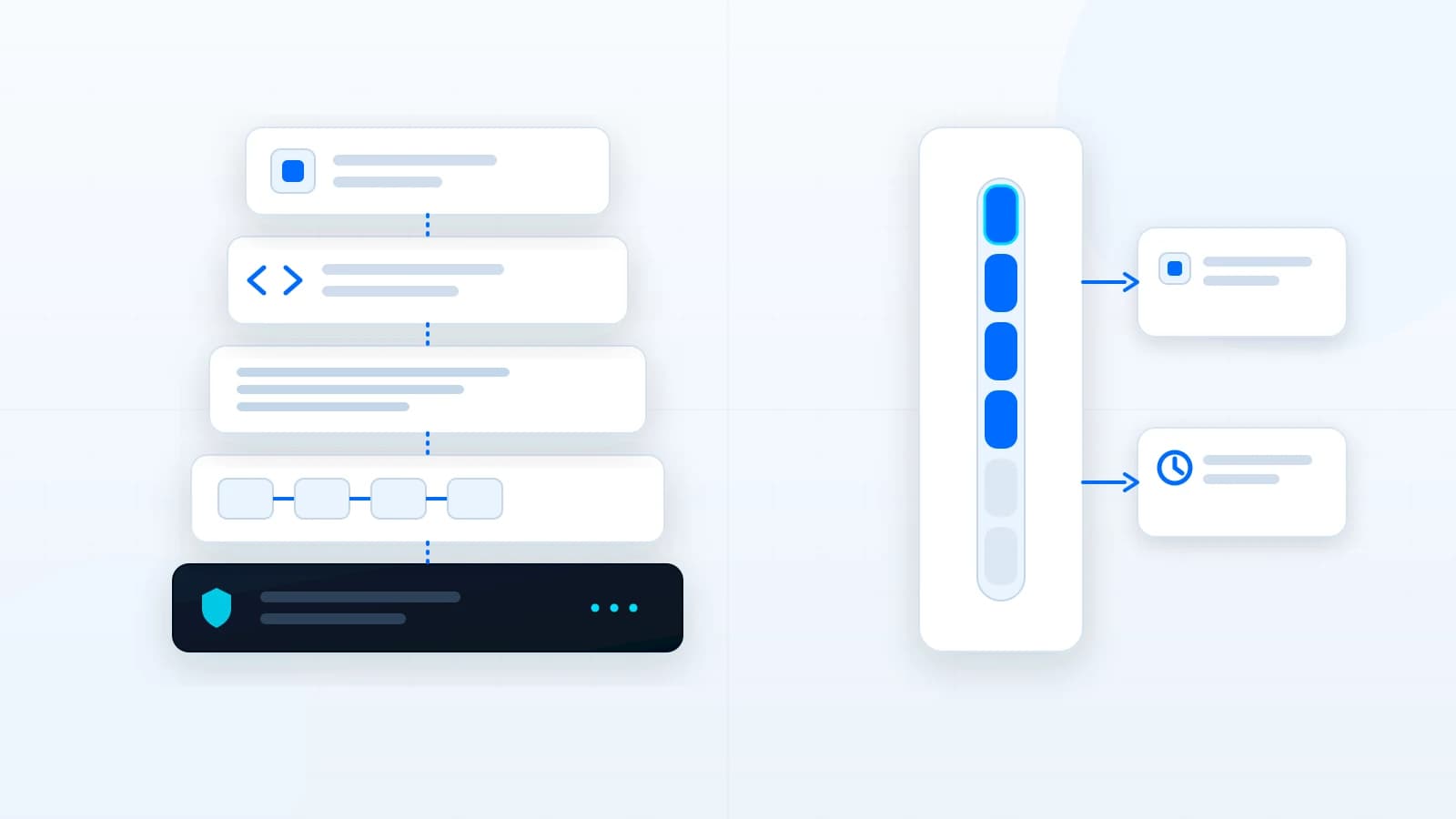
A custom business website costs more when it has to solve more than appearance. Strategy, original design, page structure, copy planning, forms, analytics, SEO foundations, integrations, content migration, performance work, accessibility checks, and post-launch support all affect the final scope.
The better question is not only what the website costs. It is what the website needs to do for the business. A simple credibility site, a service-business lead system, an ecommerce storefront, and a private client portal should not be scoped the same way.
What actually affects custom website cost?
Most website budgets are shaped by the number of decisions the project must resolve. A five-page site with clear content and no integrations is a different project from a redesign with service pages, landing pages, quote forms, SEO cleanup, analytics, redirects, and a client portal roadmap.
- Strategy and site architecture: deciding what pages exist, how they connect, and what action each page should support.
- Content planning: clarifying services, offers, FAQs, proof, calls to action, and the information visitors need before contacting the business.
- Original design: creating a visual direction that fits the brand and does not look like a reused template.
- Development complexity: responsive layouts, forms, animations, performance, accessibility, analytics, redirects, and deployment details.
- Integrations: email delivery, CRM routing, scheduling, payments, client portals, automation, or third-party tools.
- Post-launch support: maintenance, updates, monitoring, technical SEO checks, content changes, and improvement planning.
A lower-cost build may be appropriate when the business needs a focused starting point. A higher-cost build becomes easier to justify when the website supports lead qualification, multiple services, search visibility, automation, and ongoing customer workflows.
Common website scope levels
| Scope | Best fit | Typical complexity |
|---|---|---|
| Credibility site | A business needs a professional presence and a clear contact path. | Lower |
| Conversion-focused service site | A service business needs stronger pages, CTAs, forms, FAQs, and SEO structure. | Medium |
| Redesign with migration | An existing website needs new structure, redirects, content cleanup, and launch planning. | Medium to high |
| Website plus systems | The site connects to lead routing, client portals, automation, or private workflows. | Higher |
These are scope categories, not fixed packages. Two businesses can need the same number of pages but very different levels of content strategy, design, and technical work.
How to prepare before asking for an estimate
The fastest way to get a useful estimate is to bring practical context. You do not need a perfect brief, but you should know what feels broken, what customers ask, which services matter most, which tools the business already uses, and what success would look like after launch.
- List the core services or offers the website must explain.
- Gather existing brand assets, photos, service descriptions, and FAQs.
- Identify the main action visitors should take: call, book, request a quote, buy, apply, or submit information.
- Share any existing analytics, search console, form, CRM, or hosting details if available.
- Clarify whether ongoing updates, maintenance, or SEO support will be needed after launch.
If those details are unclear, an audit can help. A website audit can identify whether the project is mostly visual, structural, technical, conversion-focused, or operational.
How to judge value instead of chasing the lowest number
A business website is usually part of a larger operating system. It affects first impressions, trust, search visibility, lead quality, follow-up, and how much manual explanation the team has to repeat. A cheap build that cannot be updated, measured, expanded, or trusted on mobile may become expensive later.
The best scope is the one that matches the next stage of the business. For some teams, that means a clean custom website. For others, it means lead routing, maintenance, client portals, or automation. The goal is not to buy more website than needed. It is to avoid underbuilding the parts that directly affect customer decisions.
Questions to ask before choosing a website partner
A useful website conversation should uncover how the business works, not only what pages need to be designed. Ask how the project will handle mobile layout, service-page structure, form validation, redirects, analytics, page speed, accessibility, launch review, and post-launch updates. The answers reveal whether the project is being treated as a business system or only a visual refresh.
- How will the site support search intent for each major service?
- What information will be collected through forms, and where will it go?
- How will the site be tested on mobile before launch?
- What happens to old URLs, metadata, and existing search visibility during a redesign?
- Who owns the code, content, accounts, and deployment after launch?
- What maintenance or improvement path exists once the first version is live?
Those questions help compare proposals that may look similar on the surface. One estimate may include strategy, content architecture, technical SEO, and support. Another may only include page assembly. The lowest price is not automatically the wrong choice, but the scope should be clear enough that the business understands what is included and what will become a later cost.
Article FAQ
Can a custom website be built in phases?
Yes. A phased approach can start with the public website and add landing pages, automation, client portals, or maintenance systems later.
Is a redesign cheaper than a new website?
Not always. If the current structure, content, performance, or SEO foundation is weak, rebuilding can be cleaner than trying to repair every issue in place.
Does website cost include maintenance?
Maintenance should be scoped clearly. Some projects include launch support, while ongoing updates and monitoring are usually a separate plan.
Related services, industries, and examples
Continue with the commercial pages that connect this article to actual website, automation, portal, and maintenance decisions.

Written by
About the author
Yhorman Ibarra
Founder & Lead Developer
Yhorman Ibarra is the Founder & Lead Developer of studiogecko.dev, a digital product studio specializing in conversion-focused websites, custom SaaS platforms, CRM systems, and business automation. With more than 10 years of experience, over 100 websites built, and seven SaaS tools developed across multiple industries, he focuses on creating digital products that help businesses grow, not just look good.
Next step
Want a clearer website scope before guessing at price?
Request a free website audit and get practical notes on the pages, conversion paths, SEO structure, and maintenance needs that may affect the project scope.
Request a Free Website AuditRelated articles
All articles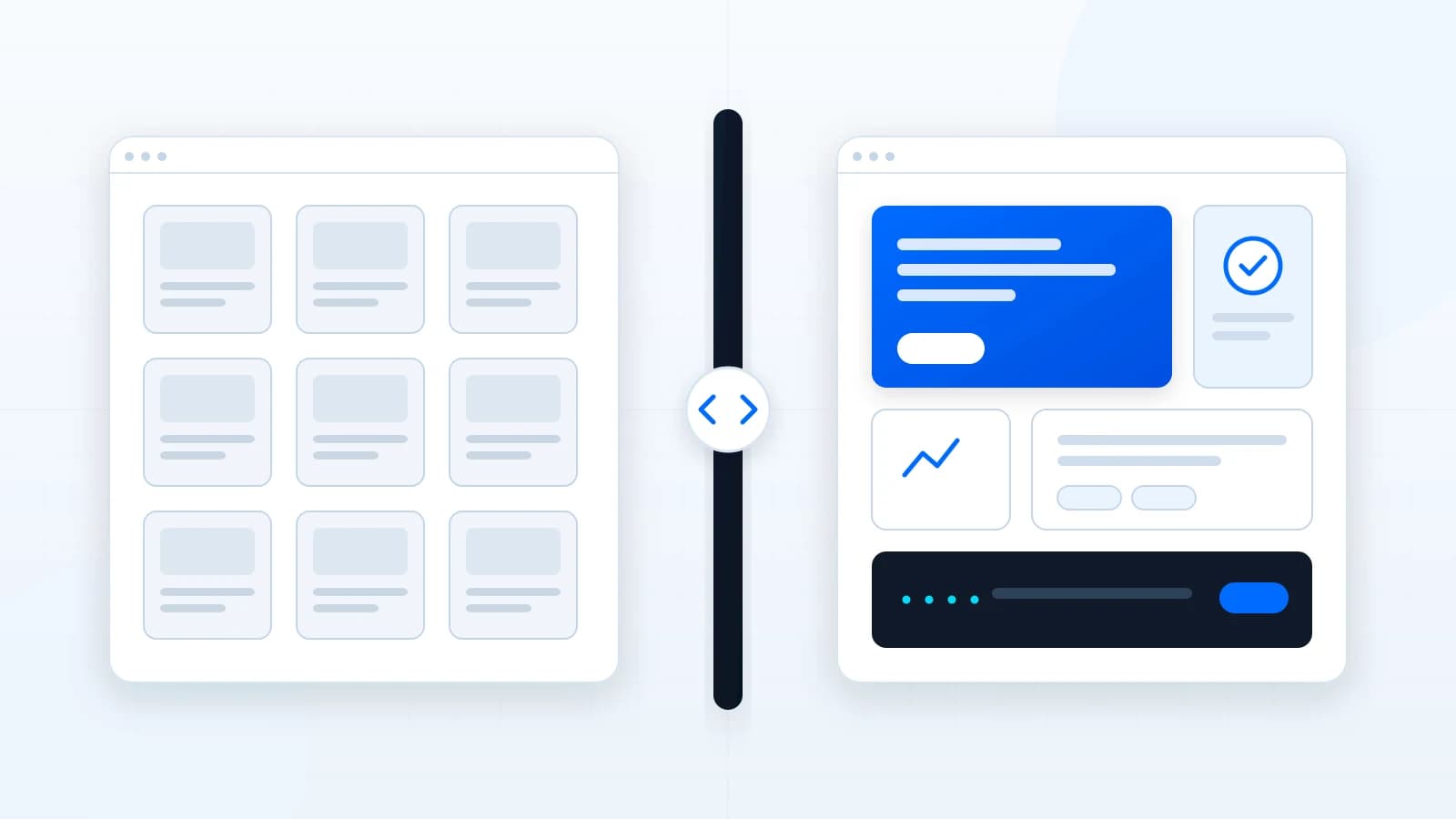
Website Strategy
custom website vs template
Custom Website vs Template Website: Which Is Better for Your Business?
Templates can be useful for speed and budget. Custom websites are better when the business needs clearer positioning, stronger conversion paths, flexible growth, and a site shaped around real operations.
Website Maintenance
website maintenance services
What Does Website Maintenance Include?
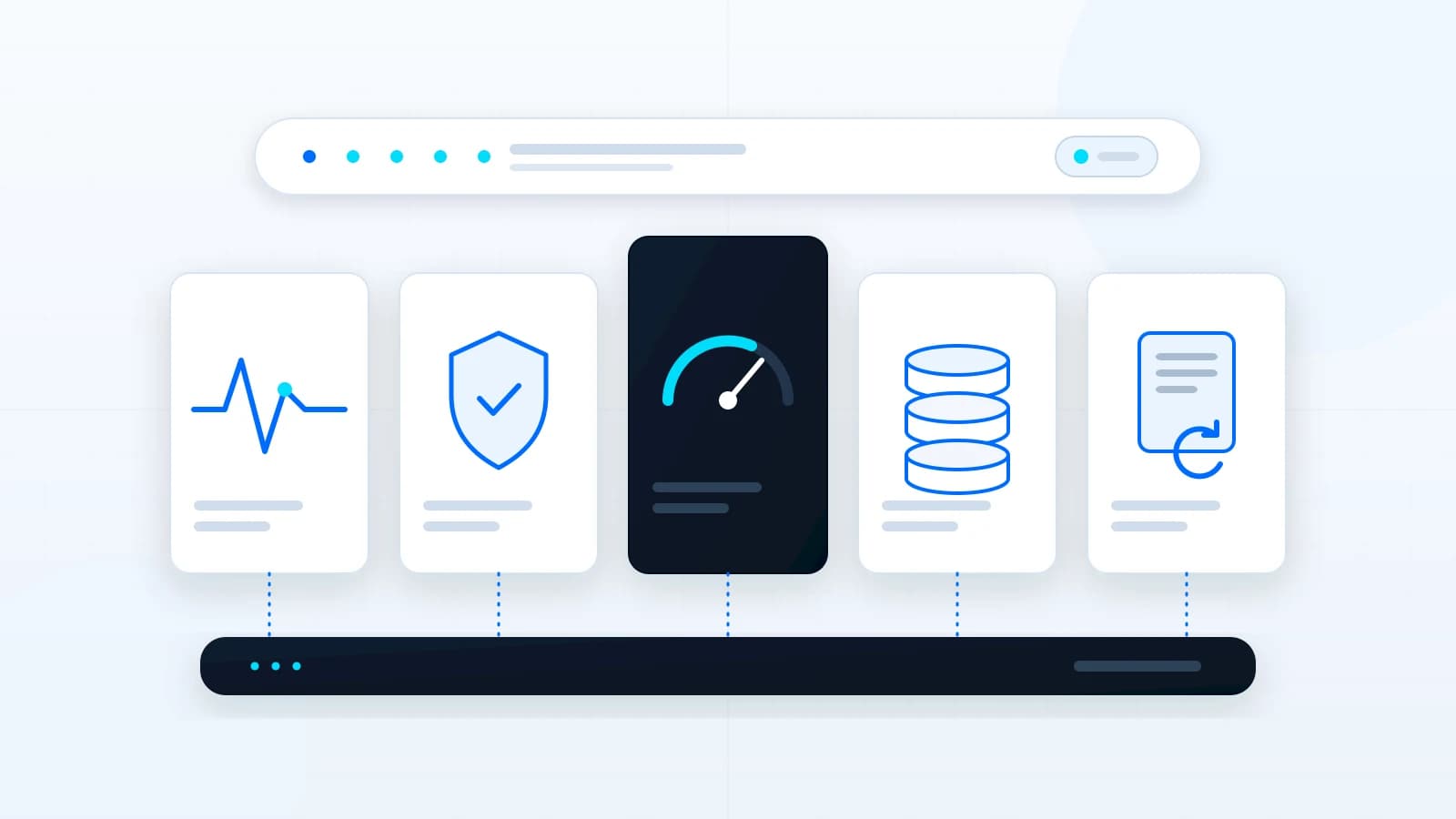
Website maintenance keeps a site accurate, fast, secure, measurable, and useful after launch. It includes more than software updates.
Website Strategy
website redesign checklist
Website Redesign Checklist Before You Rebuild
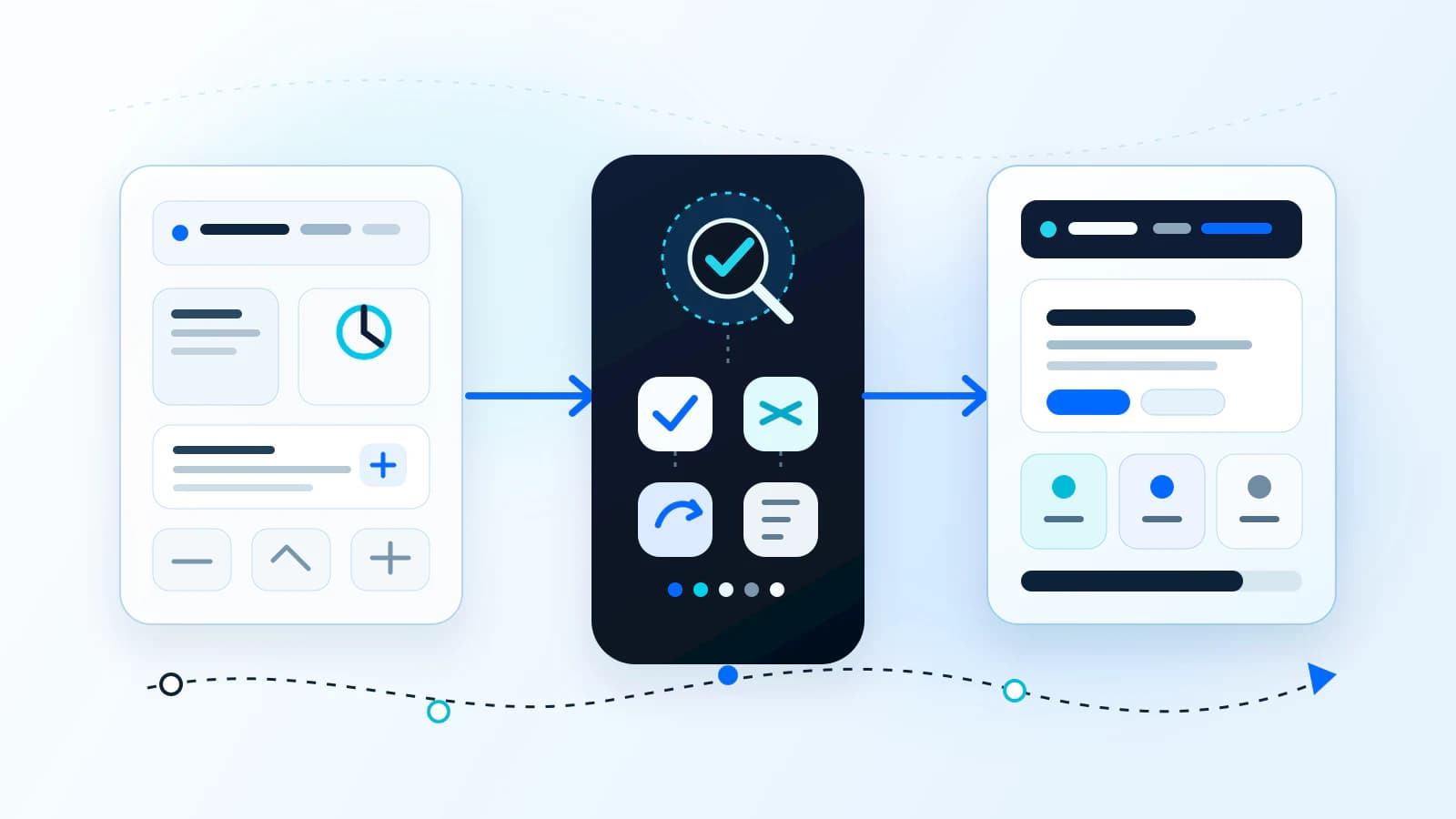
A redesign should begin with evidence, not a new color palette. Use this checklist to decide what to preserve, improve, migrate, replace, and verify before launch.