
Website Maintenance
What Does Website Maintenance Include?
Website maintenance keeps a site accurate, fast, secure, measurable, and useful after launch. It includes more than software updates.

The short answer
Website maintenance includes the ongoing work that keeps a website accurate, functional, secure, fast, measurable, and useful after launch. It can include content updates, technical checks, dependency updates, backups, form testing, analytics review, performance improvements, broken-link checks, metadata updates, and support for new business needs.
Maintenance is not only a technical task. Customers experience the whole website. Outdated service details, broken forms, slow pages, missing images, confusing navigation, and stale content all affect trust.
Common website maintenance categories
- Content updates: services, offers, team details, hours, FAQs, case examples, images, and contact information.
- Technical health: dependencies, hosting checks, errors, broken links, redirects, forms, and provider changes.
- Performance: page speed, image handling, layout stability, and mobile usability.
- SEO foundations: metadata, headings, internal links, sitemap, robots, structured data, and indexability checks.
- Security and reliability: backups, access review, spam protection, form validation, and monitoring where appropriate.
- Improvement planning: using analytics, search data, support questions, and business changes to prioritize updates.
The right maintenance plan depends on the website. A simple brochure site has different needs from a lead-generation site, ecommerce storefront, client portal, or web application.
Why maintenance matters for business websites
A launch is a snapshot. The business keeps changing after that: services evolve, customers ask new questions, offers change, search engines crawl new content, providers update APIs, and competitors improve their sites. Maintenance keeps the website aligned with reality.
Technical SEO maintenance
Technical SEO maintenance does not guarantee rankings, but it helps search engines crawl and understand the site. Common checks include canonical URLs, sitemap output, robots directives, page titles, descriptions, heading hierarchy, structured data validity, internal links, redirects, and indexability.
For a growing website, maintenance also prevents content architecture from becoming messy. New services, industries, portfolio pages, and articles should be connected intentionally instead of being added as isolated pages.
How often should a business website be maintained?
Some checks should happen whenever content changes. Others can be monthly, quarterly, or tied to campaigns. A business that depends heavily on inbound leads should review forms, page performance, analytics, and service content more often than a rarely changing brochure site.
| Need | Suggested review rhythm |
|---|---|
| Forms and contact paths | After launch and after meaningful changes |
| Service content | When offers, pricing context, or process changes |
| Technical SEO | Periodic and after route/content changes |
| Performance | After design/media changes and periodically |
| Backups and access | Based on hosting and business risk |
How to prioritize maintenance work
Not every update has the same business value. Maintenance should start with the parts of the website that affect trust, leads, security, and search visibility. A typo on an old low-traffic page may matter less than a broken quote form, slow service page, expired offer, or missing redirect from a recently changed URL.
- Fix broken contact paths before cosmetic changes.
- Review high-intent service pages before low-priority content.
- Keep metadata, headings, and internal links aligned with important pages.
- Compress or replace media that slows down mobile pages.
- Check analytics and Search Console patterns when access is available.
- Document recurring issues so maintenance becomes more predictable over time.
A maintenance plan should also leave room for strategic improvement. The website may need new service pages, better FAQs, stronger portfolio links, clearer forms, or updated automation as the business changes. Maintenance is the bridge between launch and the next meaningful version.
This is why maintenance should not be treated as a vague monthly task. The business should know what is being checked, what changed, what needs attention, and which improvements can wait. Clear maintenance turns the website from a one-time project into a managed asset that stays useful as offers, tools, and customer expectations change.
Article FAQ
Does maintenance include redesign work?
Small design refinements may be included if scoped, but major redesigns are usually separate projects.
Does maintenance guarantee uptime?
No responsible maintenance plan should guarantee uptime unless the hosting, monitoring, and support agreement explicitly support that promise.
Can maintenance include SEO updates?
Yes, technical SEO checks and content updates can be part of maintenance, but rankings cannot be guaranteed.
Related services, industries, and examples
Continue with the commercial pages that connect this article to actual website, automation, portal, and maintenance decisions.

Written by
About the author
Yhorman Ibarra
Founder & Lead Developer
Yhorman Ibarra is the Founder & Lead Developer of studiogecko.dev, a digital product studio specializing in conversion-focused websites, custom SaaS platforms, CRM systems, and business automation. With more than 10 years of experience, over 100 websites built, and seven SaaS tools developed across multiple industries, he focuses on creating digital products that help businesses grow, not just look good.
Next step
Want to know what your current site needs after launch?
Request a website audit to review design, mobile usability, SEO structure, performance, forms, and maintenance priorities.
Request a Free Website AuditRelated articles
All articles
Website Strategy
custom website cost
How Much Does a Custom Business Website Cost?
Custom website pricing depends on strategy, page count, content, design depth, integrations, forms, SEO structure, and long-term support. This guide explains the cost drivers without fake price promises.
Lead Generation
lead generation website
What Makes a Website Generate Qualified Leads?
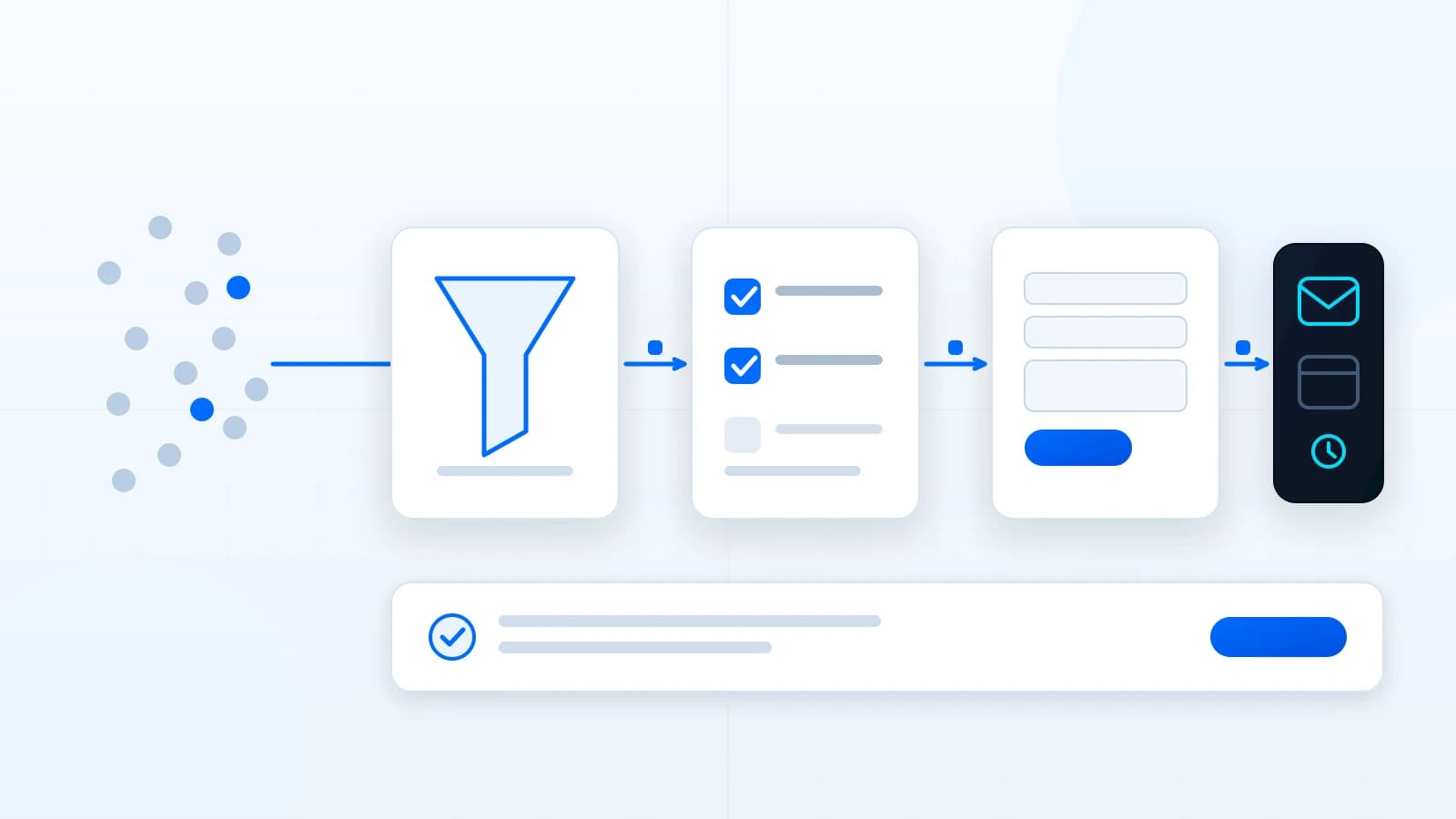
A lead-generation website is not just a contact form. It explains the offer, filters the wrong fit, builds trust, asks useful questions, and routes inquiries into a follow-up process.

Website Strategy
website redesign checklist
Website Redesign Checklist Before You Rebuild
A redesign should begin with evidence, not a new color palette. Use this checklist to decide what to preserve, improve, migrate, replace, and verify before launch.