
Lead Generation
What Makes a Website Generate Qualified Leads?
A lead-generation website is not just a contact form. It explains the offer, filters the wrong fit, builds trust, asks useful questions, and routes inquiries into a follow-up process.
The short answer
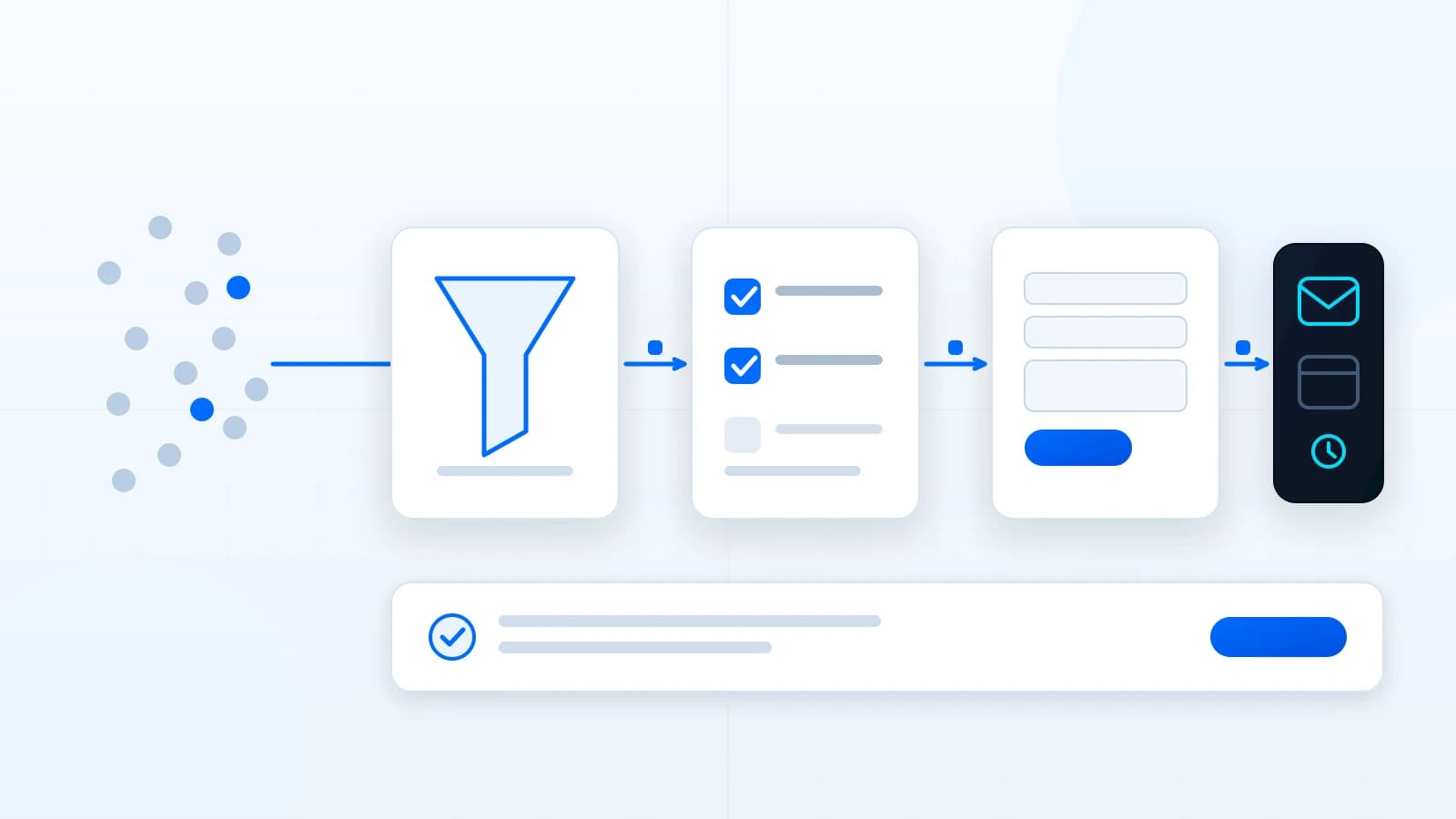
A website generates qualified leads when the right visitor understands the offer, trusts the business, sees a clear next step, and can submit useful information without unnecessary friction. The goal is not to collect every possible contact. The goal is to help good-fit visitors take action while giving the business enough context to respond well.
That requires more than a button. It requires page structure, copy, proof, form design, routing, analytics, and follow-up. If any part of that chain is weak, traffic may not turn into real opportunities.
The page must match the visitor's intent
Visitors arrive with a question already in mind. A homeowner may want a quote. A dealership shopper may want a vehicle detail or financing path. A professional-service buyer may want confidence that the firm understands their situation. The page should meet that intent quickly.
- State what the business does in plain language.
- Show who the service is for.
- Explain what happens next.
- Answer the objections that delay contact.
- Make the primary action visible before the visitor has to search for it.
A generic homepage can create attention, but specific service pages and landing pages often do the conversion work because they match a narrower visitor need.
Trust comes before the form
People hesitate when a website feels vague, outdated, slow, or disconnected from the quality of the business. Trust signals do not have to mean fake badges or inflated claims. They can include clear process explanations, useful FAQs, transparent service details, strong visual hierarchy, accessible design, and real proof when it exists.
Forms should qualify without creating friction
A form that asks for too little creates follow-up work. A form that asks for too much can reduce submissions. The right balance depends on the business. A quote request may need service type, location, timing, and project details. A consultation request may need business type, current website, goals, and preferred contact method.
| Form field | Why it helps |
|---|---|
| Service needed | Routes the inquiry to the right offer or team. |
| Location or service area | Confirms whether the business can help. |
| Timeline | Separates urgent requests from future planning. |
| Project details | Gives the team context before the first response. |
| Preferred contact method | Improves follow-up quality without requiring a phone number. |
The form should also have accessible labels, clear error messages, spam protection, safe server-side validation, and a confirmation state that explains what happened without making unsupported promises.
A lead is only useful if follow-up is organized
Lead generation often fails after the form submission. If inquiries go to the wrong inbox, lack context, or require manual copying into another tool, response quality suffers. Lead routing and automation can send confirmations, notify the right person, label the opportunity, and create a next action.
For many service businesses, the highest-value improvement is not more traffic. It is a clearer path from visitor to useful inquiry to organized follow-up.
What to measure after the lead path is live
A lead-generation website should be reviewed after launch because real visitors expose friction that planning cannot always predict. Measurement does not need to be complicated at first. The business should know which pages attract attention, which calls to action are used, which forms are completed, and where visitors leave before contacting the business.
- Form-start and form-submit behavior when analytics consent allows tracking.
- Which services or industries produce the clearest inquiries.
- Mobile performance and usability on pages with important CTAs.
- The quality of submitted details, not only the number of submissions.
- Whether inquiries are routed to the right person or tool.
- Questions that keep appearing in calls and should be answered on the site.
The purpose of measurement is not to chase vanity metrics. It is to improve the parts of the page that affect trust and action: clearer headings, better FAQs, more useful service explanations, stronger mobile layouts, and forms that ask the right questions.
Qualified lead generation also depends on sales readiness. If the site collects useful information but nobody owns the response, the experience still breaks. A good website should make the next action obvious for the visitor and for the business: who responds, what context they receive, where the inquiry is stored, and what follow-up step happens next.
Article FAQ
Does more traffic always mean more leads?
No. Traffic only helps when the page matches visitor intent and gives the right people a clear reason to act.
Should every page have the same CTA?
No. The call to action should match the page. A service page may need a quote request, while an educational article may point to an audit.
Can automation improve lead generation?
Yes, when it supports routing, confirmation, reminders, and follow-up. Automation should not replace clear messaging or useful forms.
Related services, industries, and examples
Continue with the commercial pages that connect this article to actual website, automation, portal, and maintenance decisions.

Written by
About the author
Yhorman Ibarra
Founder & Lead Developer
Yhorman Ibarra is the Founder & Lead Developer of studiogecko.dev, a digital product studio specializing in conversion-focused websites, custom SaaS platforms, CRM systems, and business automation. With more than 10 years of experience, over 100 websites built, and seven SaaS tools developed across multiple industries, he focuses on creating digital products that help businesses grow, not just look good.
Next step
Find the friction in your current lead path.
Request a practical audit focused on messaging, calls to action, mobile usability, forms, SEO structure, and conversion opportunities.
Request a Free Website AuditRelated articles
All articles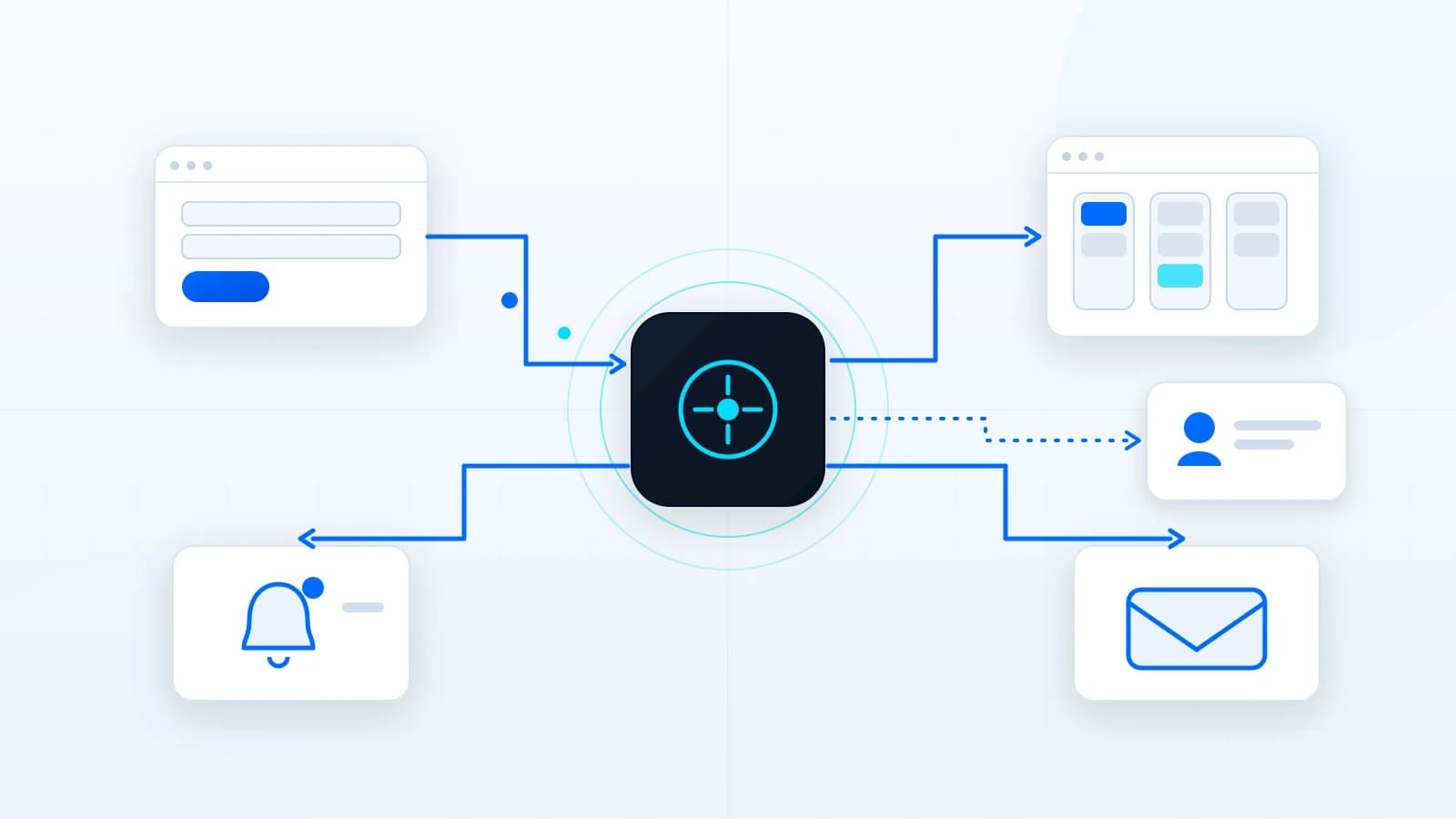
Business Automation
business automation for small businesses
What Is Business Automation and What Should You Automate First?
Business automation connects repeated steps so work moves with less manual effort. The best first automations are simple, valuable, and easy to verify.
Website Strategy
custom website vs template
Custom Website vs Template Website: Which Is Better for Your Business?
Templates can be useful for speed and budget. Custom websites are better when the business needs clearer positioning, stronger conversion paths, flexible growth, and a site shaped around real operations.
Website Maintenance
website maintenance services
What Does Website Maintenance Include?
Website maintenance keeps a site accurate, fast, secure, measurable, and useful after launch. It includes more than software updates.